バレルを初めて訪れる方の多くは1泊2日の旅程を選びます。それが最も自然な形です。金曜の夜にマニラを出発し、翌朝バレルで目覚め、丸2日間を過ごし、日曜の午後のバスで戻る。夜行便を利用すれば移動時間を無駄にすることなく、シエラマドレ山脈のほとんどを眠って過ごし、町が目覚める頃にちょうど到着できます。
この旅程はセメントの カハナ への滞在を前提に組んでいます。サバンのどの宿泊施設よりもコブラリーフに近く、短い旅で訪れる価値のあるスポットを回るのに適した拠点です。予約前にぜひ一読ください。事前の小さな判断が実際の旅の質を大きく左右します。
行き方:マニラからバレルへバスで
現実的な選択肢は、ケソン市クバオのGenesis Transportターミナル(EDSA沿い、アリモールとゲートウェイモール付近)発のJoyBusまたはGenesisバスです。JoyBusはプレミアムな選択肢で、リクライニングシート、安定した空調、バレルターミナルでの専用降車があります。Genesisは同じ路線をより低価格の一般バスで運行しています。
| バス | タイプ | 運賃(片道) | クバオ発時刻 | 所要時間 |
|---|---|---|---|---|
| JoyBus | プレミアムスリーパー | ₱1,030 | 毎日 深夜12時30分、午前2時、午前4時30分/金・土のみ 午後2時30分 | 5〜6時間 |
| Genesis | 一般 | ₱550–₱650 | 終日複数便あり | 5〜6時間 |
1泊2日の旅程には、金曜夜または土曜早朝の深夜12時30分または午前2時発のJoyBusがおすすめです。バレルには夜明けとともに到着し、丸1日を使えます。座席予約はこちらから iwantseats.com またはpinoytravel.com.phにて——繁忙期は1週間以上前に満席になることがあります。詳しくは JoyBus マニラ〜バレル間 運行スケジュール をご覧ください。
宿泊先:セメントの Kahana
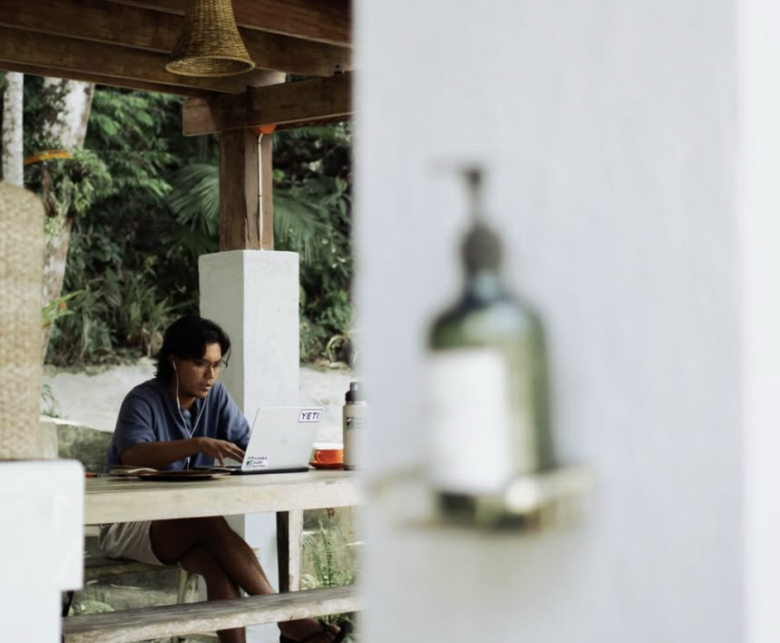
カハナ is a boutique surf and workation property in Cemento, about 8 kilometres south of the Sabang tourist hub. It puts you closer to Cobra Reef, closer to Diguisit and the Aniao Islets, and away from the Sabang crowds — with an on-site cafe, pool, and yoga space. Breakfast is included in the room rate. The Shala Grounds serves specialty coffee, premium matcha, and vegan, vegetarian, and non-vegetarian breakfast and lunch options.
1泊2日の旅程の場合、Kahanaの宿泊費は部屋タイプによって1泊あたり₱2,500〜₱4,500が目安です。 客室と空室状況を見る →
1日目:到着、散策、夕日
午前:到着とチェックイン
JoyBusは町中心部にあるバレルターミナルに到着します。そこからトライシクルでセメントのKahanaまで、車一台貸切で約₱200です。ドライバーには「セメント」または「Kahana」と伝えてください。所要時間は約15分です。
標準チェックインは午後2時です。早朝便で到着した場合は、早期チェックイン(1時間あたり₱100)を依頼するか、荷物を預けて先に一日を始めるかの2つの選択肢があります。Kahanaでは外出中の荷物預かりも快く対応してくれます。
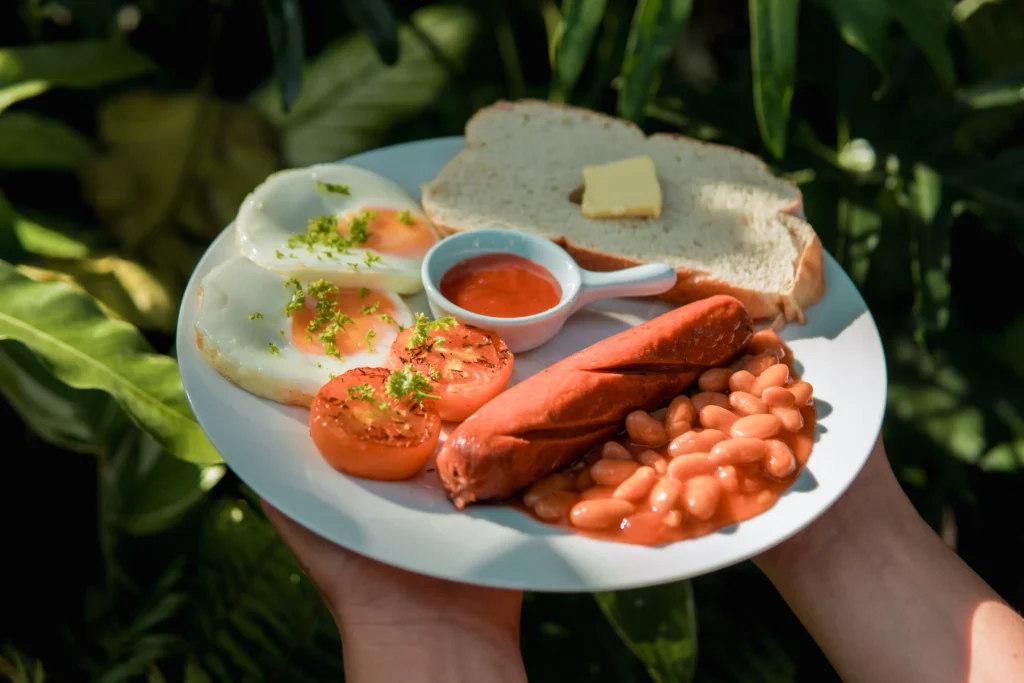
荷物を預けたら、ザ・シャラ・グラウンズへ向かいブランチを取りましょう。カフェは午前中営業しており、本格的なコーヒー、上質な抹茶、ヴィーガン・ベジタリアン・非ベジタリアン対応のフルメニューを提供しています。丸1日ありますので、ゆっくりお過ごしください。夜行バスの疲れを癒したい場合は、すぐそばのプールもご利用いただけます。
午後:ディギシットとアニアオ岩礁群
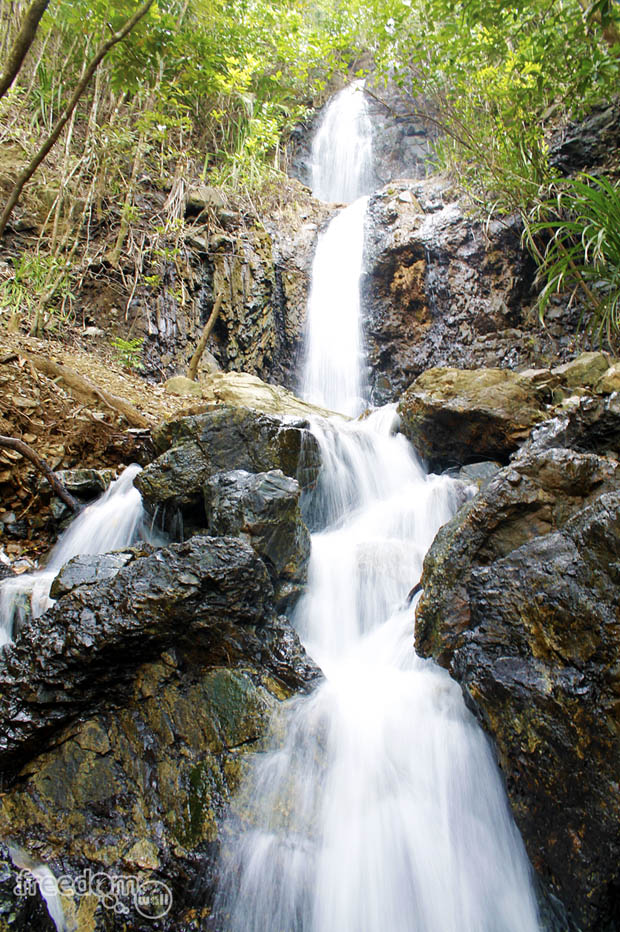
ディギシット・ビーチはセメントの南に広がる静かなビーチで、その周辺には訪れる価値のあるスポットが2つあります。 ディギシット・ミニ滝は短い徒歩でたどり着ける小さな滝、そして アニアオ岩礁群 は沖合に浮かぶ印象的な岩の造形で、ビーチからはっきりと見渡せます。
昼食には、 Nami がディギシットにあり、立ち寄る価値があります。日本とイタリアの料理を組み合わせたレストランで評判が良く、海岸線と岩礁群を望む景色が楽しめます。滝、岩礁群、Namiでの昼食、そしてビーチ沿いをゆっくり歩いて戻り、Kahanaで正式にチェックインするという流れがおすすめです。
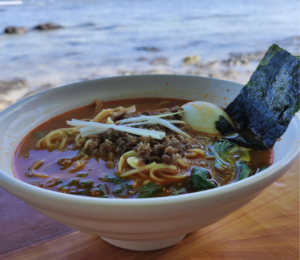
午後の代替プラン:ディトゥマボ滝
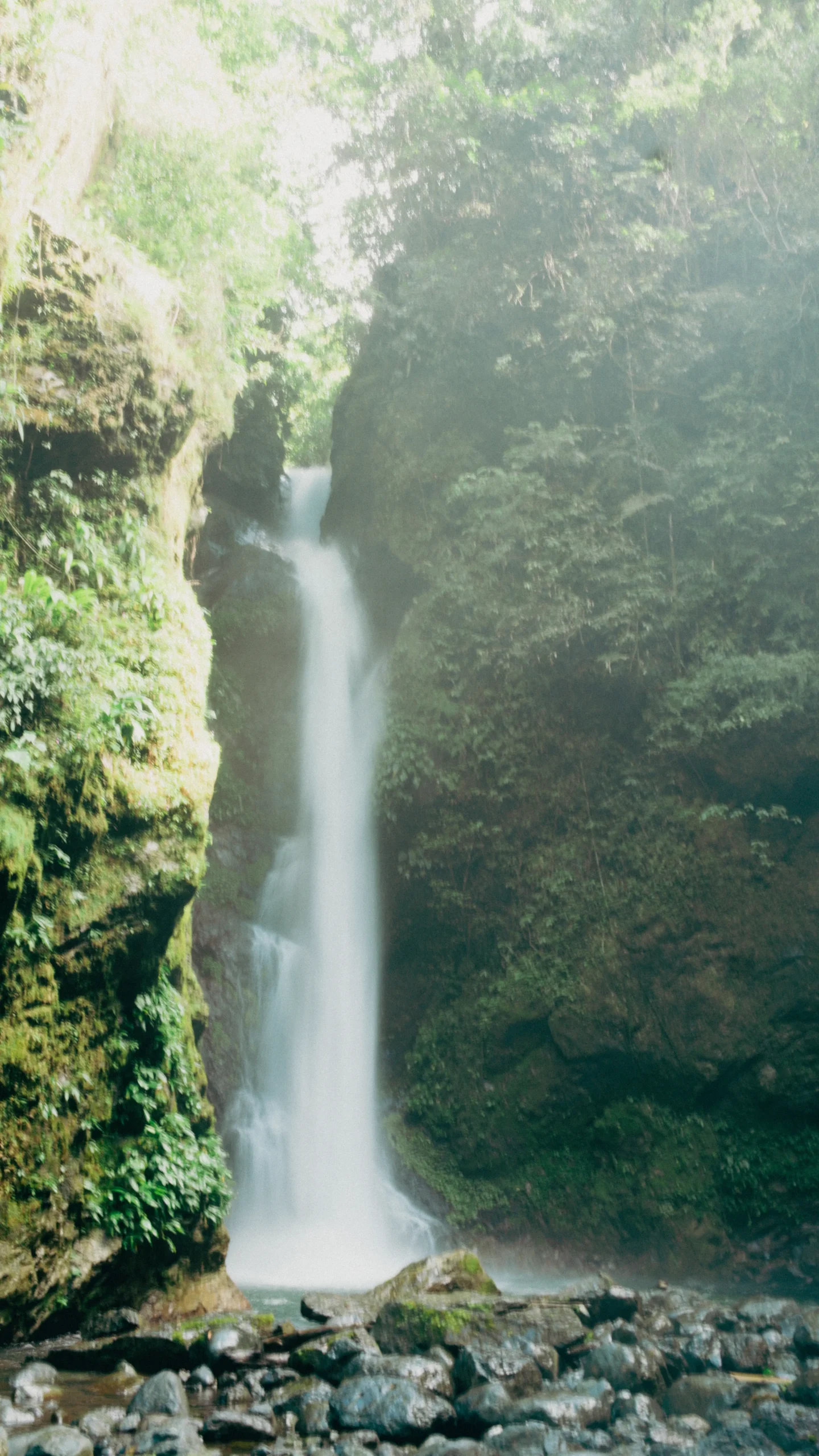
より大きな滝を体験したい場合は、ディギシットの午後の代わりに ディトゥマボ滝 (マザー・フォールズとも呼ばれます)へ。バレルからトライシクルまたはハバルハバルで約30〜40分、その後、いくつかの渡渉を含む20〜30分の川沿いのトレイルを歩きます。高さ120メートルの滝が澄んだ滝壺に流れ込む景観は、歩く価値が十分にあります。
- 入場料: 1人あたり₱50
- ガイド: 4〜5人グループにつき₱300(必須——トレイルには目印がありません)
- 交通手段: バレルの町からトライシクルまたはハバルハバルで片道₱150〜₱200
- 所要時間: 移動を含めて3〜4時間。滑りにくい履物(クロックスが適しています)、着替え、スマートフォン用の防水バッグをお持ちください。
夕日に間に合うよう午後1時までには出発してください。
夕日:エルミタの丘またはバミューダ・キャンプ
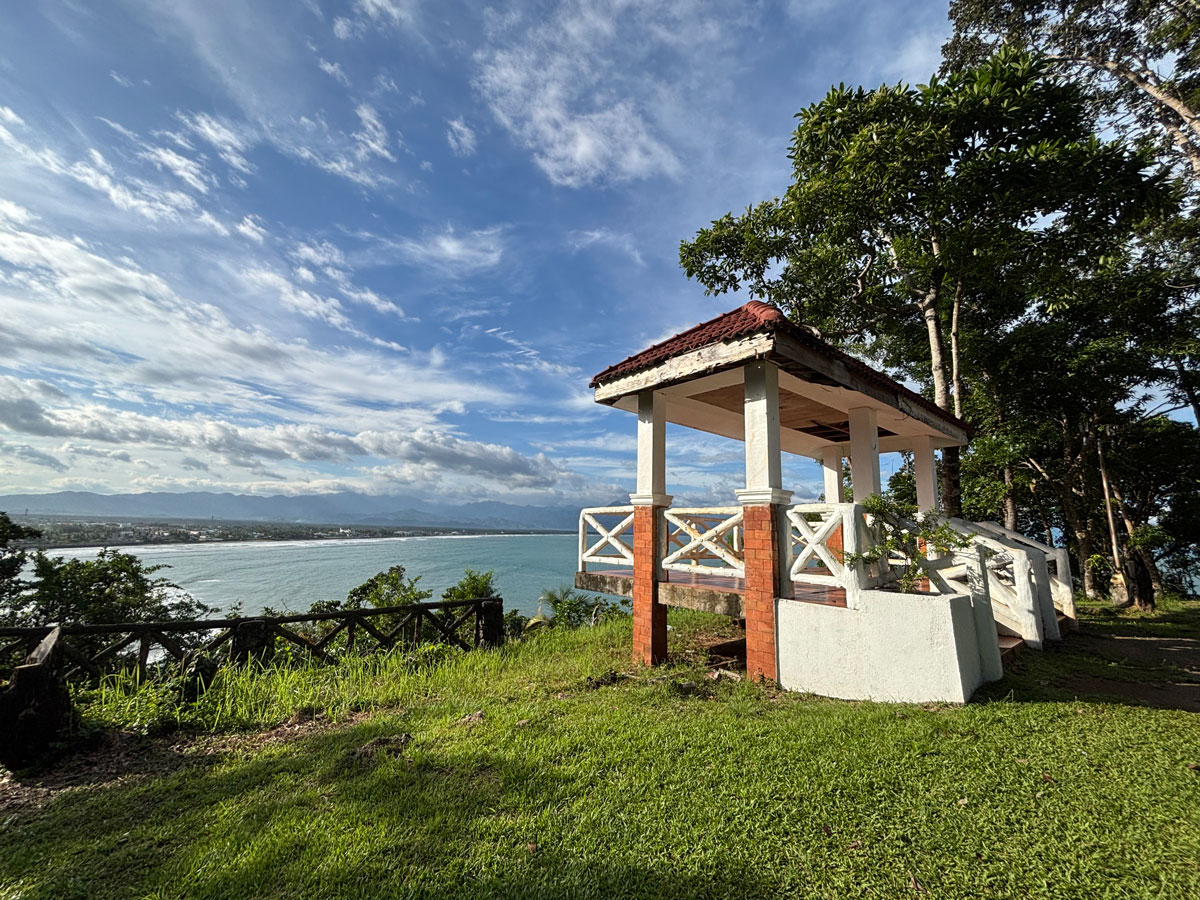
エルミタの丘 はバレル湾を見渡す定番の夕日スポットです。頂上まで短い徒歩で登ることができ、わずかな入場料(約₱20〜₱30)で海岸線を一望できるパノラマビューが楽しめます。一度は訪れる価値があります。

バミューダ・キャンプ はセメントにあり、Kahanaに近いより落ち着いた選択肢で、海岸を異なる角度から眺められる夕日スポットです。この周辺に留まり、エルミタの丘は次回の訪問に取っておきたい場合におすすめです。
夕食
夕食には、サバンエリアにいくつか良い選択肢があります。
- ザ・シャック ——インド料理店で、バレルの中でも個性的な食事の選択肢のひとつです
- クブリ・ビストロ ——落ち着いた夕食に安心して選べる店です
- クシナ・ルンティアン ——サバンでフィリピン料理を楽しむ定番の店です
Kahanaでは追加料金で 地元シェフによるプライベートディナー を手配することも可能です。施設内で食事を済ませたい場合に良い選択肢です。静かな夜を過ごしたい場合はデリバリーもご利用いただけます。
2日目:サーフィン、昼食、帰りのバス
午前:朝食とサーフィンレッスン
朝食はKahanaの宿泊料金に含まれています。ザ・シャラ・グラウンズは早朝から営業しており、外出前にしっかり食事を済ませられます。サーフィンセッションの前にきちんと食事を取ることが、実際の体験の質を大きく左右します。
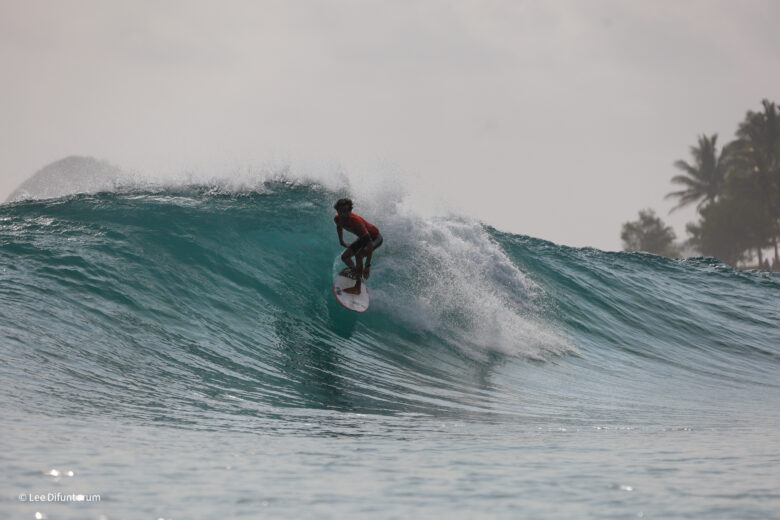
朝食後は、サーフィンレッスンのためサバン・ビーチへ向かいましょう。バレルのレッスンのほとんどはサバンで行われます。波は初心者にも優しく、インストラクターは経験豊富で、ボードレンタルのショップも早朝から営業しています。レッスンはボード込みで1.5〜2時間のセッションが₱500〜₱800です。すでにサーフィンができる方は、ボードレンタルが1時間₱150〜₱300です。
オフショアの風が最も強いのは午前9時前です。最も良いコンディションを求めるなら早めに海に入りましょう。
午後:昼食と帰りのバス
サーフィンセッションの後は、サバンで昼食を取りましょう。通り沿いに十分な選択肢があります。その後、バレルターミナルへ向かい、午後のJoyBusでクバオへ戻ります。
バレル発の復路便: 毎日午後1時30分と午後2時30分 (金・土・日・月曜は午後3時30分の便も追加)。午後1時30分・2時30分どちらの便も夕方早めにクバオに到着します。出発の15〜20分前にはターミナルに到着しておきましょう。
バレル1泊2日:現実的な費用内訳
| 費用項目 | 節約プラン | ミドルレンジプラン |
|---|---|---|
| マニラ〜バレル間バス(片道) | ₱550(Genesis) | ₱1,030(JoyBus) |
| バレル〜マニラ間バス(片道) | ₱550 | ₱1,030 |
| 宿泊費(1泊、Kahana) | — | ₱2,500–₱4,500 |
| サーフィンレッスンまたはボードレンタル | ₱300(レンタル) | ₱600〜₱800(レッスン) |
| ディギシット/ディトゥマボ滝 | ₱150–₱200 | ₱200–₱300 |
| トライシクル・現地交通費 | ₱400–₱600 | ₱400–₱600 |
| 食費(3〜4食、Kahanaの朝食を除く) | ₱700–₱1,000 | ₱1,200–₱2,000 |
| 1人あたりの合計目安 | ₱2,650–₱3,450 | ₱7,130–₱10,260 |
ミドルレンジ列はJoyBusを往復で利用し、Kahanaに宿泊する想定です。Kahanaの朝食は宿泊料金に含まれているため、食費の行には計上していません。
実用的な注意事項
ATM: ChinaBank、PNB、RCBC、BDOの支店がバレルの町中心部にあります。ほとんどのトライシクルドライバーや小さな店ではカードが使えません。マニラから十分な現金を持参してください。ミドルレンジの1泊2日旅行には₱5,000〜₱7,000程度が目安です。
移動手段: トライシクルが主な交通手段です。バレルにはGrabはありません。ハバルハバル(バイクタクシー)は長距離移動に便利です。乗車前に必ず運賃を確認してください。
天候と波: サーフィンシーズンは10月から5月です。12月から2月が波が最も大きく安定する時期です。オフシーズン(6月〜9月)は波が穏やかになり、雨が多くなります。
持ち物: ビーチ用のラッシュガードとリーフセーフな日焼け止め、滝用の滑りにくい履物と着替え、スマートフォンや財布用の防水バッグ、バス移動用の薄手のジャケット。ボードレンタルはサバンで可能ですので持参の必要はありません。
もし時間があれば:3日目に追加したいこと
1泊2日の旅程では主要スポットは押さえられますが、いくつか手つかずのまま残ります。日程を延ばせるなら:
- コブラリーフ ——バレル最高の波で、多くの訪問者が見つけることのない目印のないマングローブの小道を抜けてたどり着きます。Kahanaのゲストは小道、潮のタイミング、波の状態を知る者と一緒に向かいます。経験豊富なサーファー向けです。
- ディギシット・ビーチ ——バレル南部に広がる長く人気の少ないビーチで、また違ったビーチ体験を味わえます
- 1日目に行けなかった場所 ——ディギシットかディトゥマボ、まだ訪れていない方を
よくあるご質問
バレルには1泊2日で十分ですか?
はい——1泊2日でバレルへの最初の旅としては十分満足のいく内容になります。早朝便で到着すれば、1日目にディギシット、アニアオ岩礁群、夕日ビューポイントをじっくり回れます。2日目はサバンでのサーフィンレッスンを終えてから午後のバスで帰路につきます。すべてのスポットを回りきることはできません——コブラリーフや北部の静かなビーチにはさらに時間が必要です——ですが、この土地を実際に肌で感じて帰ることができます。
バレルには何日必要ですか?
初めての旅には3日間が理想的な長さです。うまく計画すれば2日間でも十分楽しめます。1日だけではビーチ以外に行かないのであれば別ですが、それ以外には不十分です。
1泊2日の旅程ではバレルのどこに泊まるべきですか?
セメントのKahanaは1泊2日の旅程に最適な拠点です。サバンのホテル群よりもディギシット、アニアオ岩礁群、コブラリーフに近く、朝食付きの敷地内カフェがあり、混雑するピーク時間帯からも離れています。メインビーチ沿いに滞在したい場合、サバンには₱800〜₱1,500/泊の格安ゲストハウスも多数あります。
バレルを訪れるのに最適な時期はいつですか?
10月から5月がサーフィンシーズンであり、訪れるのに最適な時期です。12月から2月にかけては最も安定した力強いスウェルが訪れます。3月から5月は波が小さく穏やかで、訪問者も少なめです。6月から9月は雨季のオフシーズンで、波は穏やかになり天候も荒れがちですが、それでも訪れることは可能です。
バレルはサーフィンをしない人にも楽しめますか?
はい。ディギシット・ミニ滝、アニアオ岩礁群、ディトゥマボ滝、エルミタの丘、そしてバレルの町の歴史巡りコースは、いずれもサーフィンをせずとも十分に楽しめます。Kahanaのプール、ヨガ、カフェもそれ自体が訪れる価値のあるものです。
バレル内の移動手段は?
主な交通手段はトライシクルです。主要道路であればどこでも呼び止めることができます。セメントとサバン周辺の短距離移動は車一台貸切で₱50〜₱150ほどです。バレルにはGrabのサービスはありません。ハバルハバル(バイクタクシー)はディトゥマボ滝へ向かう道のりで速く移動できます。
バレルへの2日間の旅行には何を持っていくべきですか?
ビーチ用のラッシュガードとリーフセーフな日焼け止め、滝用の滑りにくい履物(クロックスや厚底サンダル)と着替え、スマートフォンや財布用の防水バッグ、現金(快適な旅には₱5,000〜₱7,000)、夜行バス用の薄手のジャケット。サーフボードはサバンでレンタル可能です。